London Localite contains affiliate and Amazon Associates links. If you choose to purchase through them, I may earn a small commission – at no extra cost to you. You can read my full disclaimer here. Thank you for the support 💛
Kew Gardens Review: A Perfect Escape from the City
I first visited Kew as a child, but I recently took a day off to go back — and honestly, it did wonders for my mental health. It reminded me that London does have spaces where you can slow down and breathe again. Just 30 minutes from central London, you swap traffic noise for beautiful Victorian glasshouses, quiet lawns, and actual fresh air.
In short, this Kew Gardens review is for anyone craving a green escape in the city. I’ll walk you through everything you need to know before visiting — from ticket prices and the best gardens and glasshouses, to how to get there and what to wear. If you’re looking for a gentle day out that still feels very “London,” Kew Gardens is exactly that.

Kew Gardens Overview
Kew Gardens is a UNESCO World Heritage Site and one of the most important botanical gardens in the world. Spread across 300+ acres, it’s home to thousands of plant species, peaceful walking paths, and some of the most beautiful Victorian glasshouses you’ll ever see. There’s everything from tropical palms and cacti to rose gardens, quiet lakes, and endless hidden leafy corners.
Kew is also a place of scientific research, conservation, and plant preservation. Many of the species grown there are rare or endangered, making the gardens not only beautiful, but important too. The majority of the grounds are open to the public throughout the year.
Hours & Ticket Information
Kew Gardens is open every day from 10am, but closing times change throughout the year. In general, it stays open later in spring and summer, and closes earlier in the darker months. The last entry is always one hour before closing, so it’s worth checking the time before you set off.
As a rough guide, summer days often run until 7–8pm, while in late autumn and winter, the gardens may close as early as 3:30–4pm. The glasshouses, treetop walkway, and cafés usually close a bit earlier than the gardens. For exact timings, it’s best to check the Kew website before your visit.
Ticket prices vary depending on the season, day of the week, and whether you book online or at the gate. Booking in advance is cheaper, and there are discounts for students, children, local residents, and visitors with a disability.
→ BOOK YOUR KEW GARDENS ENTRANCE TICKETS HERE ←
What to Expect at Kew Gardens & Is It Worth It?
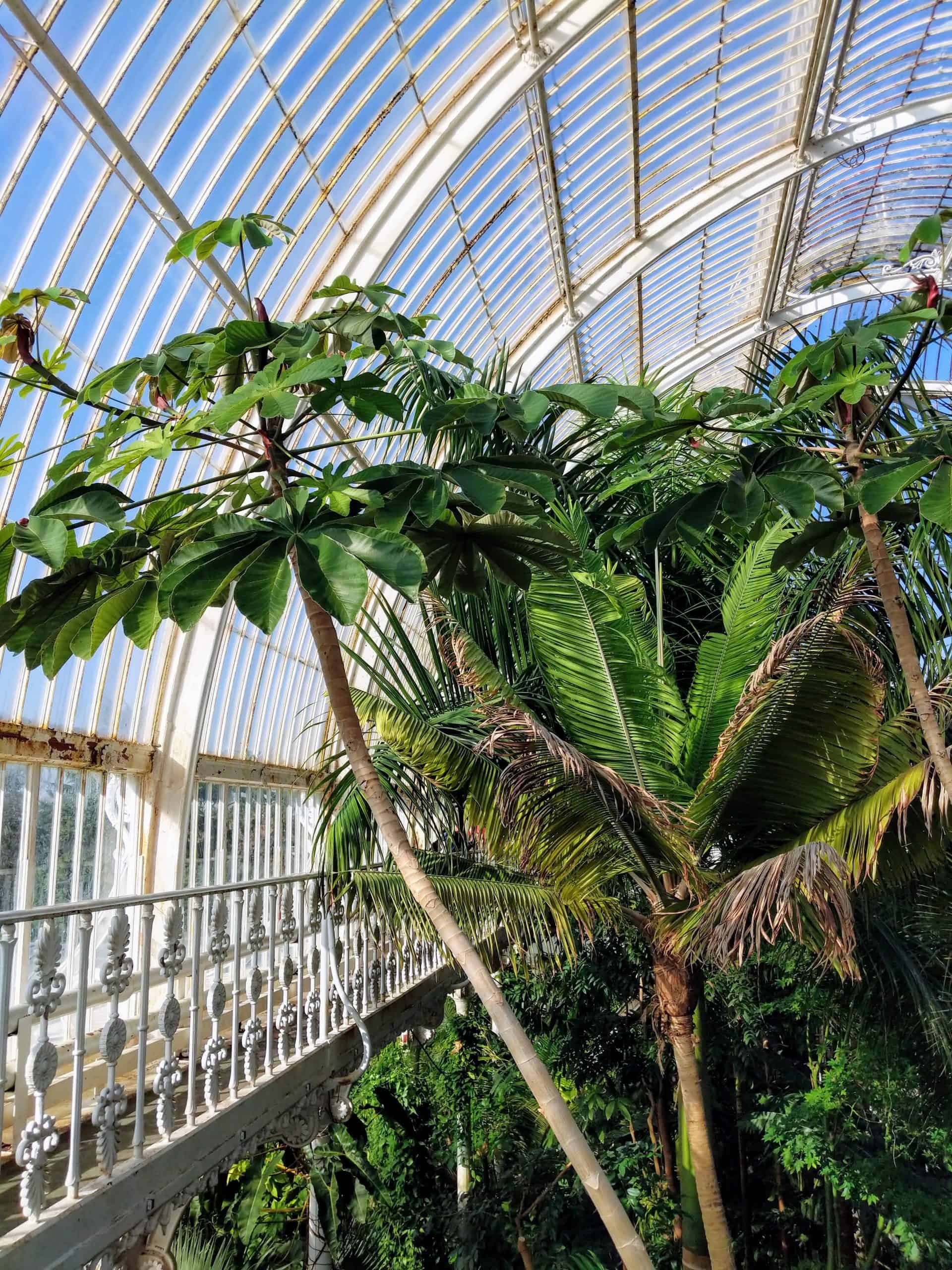
Kew Gardens is the kind of place where you can slow down and wander at your own pace. Some areas are grand and dramatic, like the Palm House and Temperate House. While others are quiet and hidden away. It feels spacious, calm, and a world away from central London, despite being only 30 minutes away.
I try to visit at least once a year, and it’s always overwhelmingly lovely. In summer, it feels lush and full of life, while in winter the glasshouses become warm refuges from the cold. I’ve also done Christmas at Kew, the evening light trail, and it’s genuinely magical. Softly lit forests, glowing sculptures, and a completely different way to experience the gardens. It’s a perfect activity for a Christmas trip in London.
So, is Kew Gardens worth it? Absolutely, especially if London is feeling overwhelming or a bit heavy. It’s one of the few places where you can actually switch off and breathe for a while. If you’re craving nature or want to be blown away by the greenhouses and variety of plants, Kew is well worth the trip.
Cafés, Coffee Spots & Picnic Places
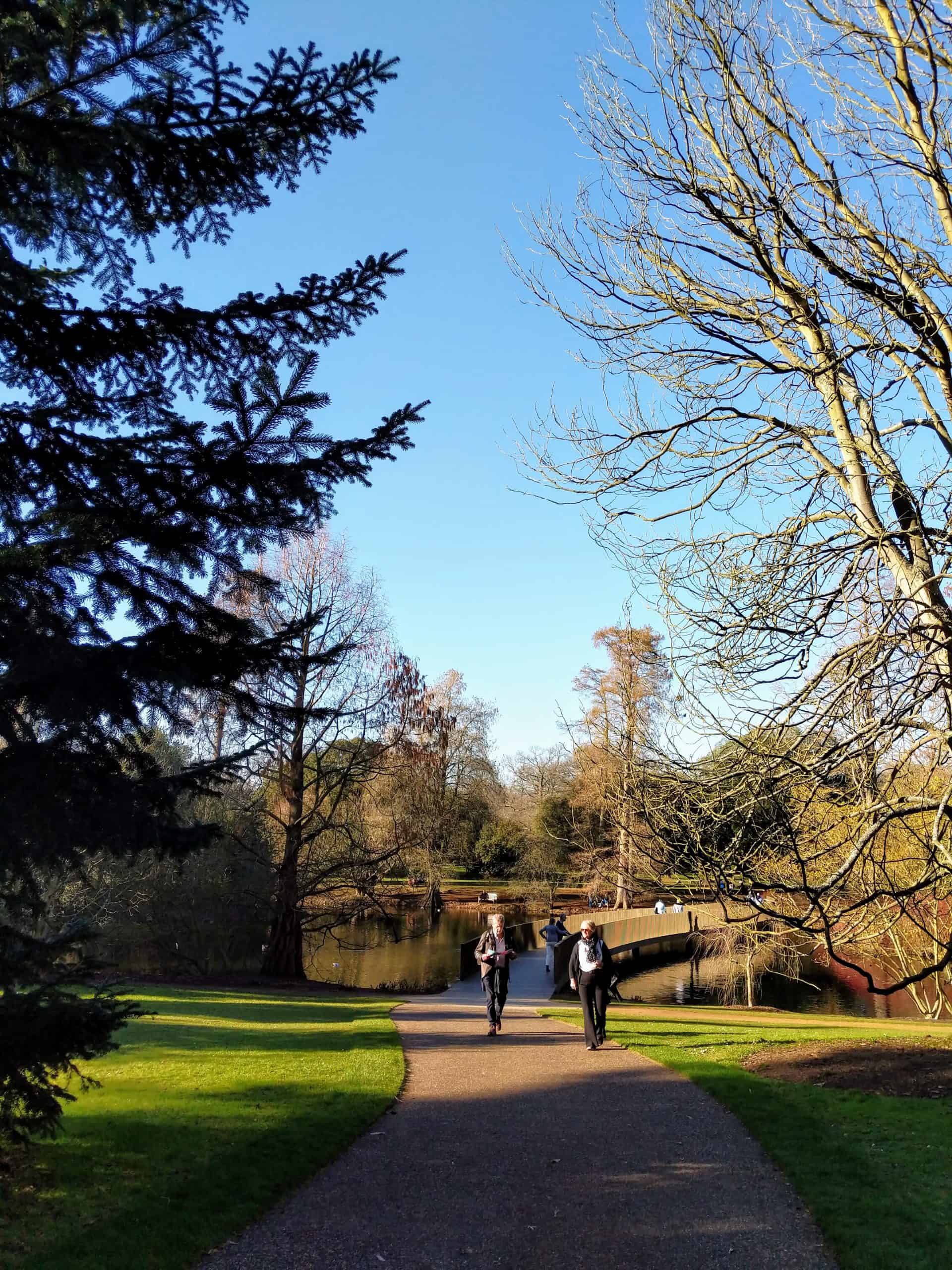
There are a few cafés scattered through the gardens, which are handy for a warm drink or something simple to eat. They can get busy on weekends, so if the weather’s decent, bringing a picnic is honestly the nicest option. There are endless lawns and shady spots to settle on.
Accessibility, Paths & Getting Around
Most of the main paths at Kew are wide, flat, and accessible, making the gardens easy to explore with wheelchairs or prams. The glasshouses can get warm and steamy inside, so wearing layers you can take on and off is helpful. Some of them also have staircases, but there are plenty of places to sit if you need a rest.
Shops, Plant Stalls & Little Souvenirs
The gift shop near the entrance is actually lovely, with prints, plant pots and books that feel thoughtful rather than touristy. You can also pick up seeds or small plants if you want to take a piece of Kew home. It’s a great way to round off your visit.
Kew Gardens FAQs
1. How do I get to Kew Gardens?
The easiest way is via the District Line to Kew Gardens station (it’s a 5–10 minute walk to the entrance). You can also take the Overground to Kew Gardens or Southwestern Railway to Kew Bridge, both nearby. There’s very limited parking, so public transport is definitely easiest.
2. How long do I need at Kew Gardens?
Most people spend 2–4 hours, but you could easily stay the whole day. If you’re someone who likes to wander slowly or has a particular interest in flora and fauna, you will not run out of things to do and see.
3. When is the best time to visit?
Kew is beautiful year-round — it just changes personality with the seasons. Spring brings soft blossoms and fresh green, while summer is warm, lush, and full of colour. In autumn, the gardens glow with golden leaves and gorgeous light for photos, and in winter, the glasshouses become cosy, tropical refuges (and Christmas at Kew is genuinely magical).
That said, summer is my favourite time to visit, simply because you can really make the most of the outdoor spaces when the weather’s good.

4. What are the best things to see at Kew Gardens?
Kew is huge, so it’s worth choosing a few highlights rather than trying to see everything in one go. These are my favourites, and the ones I always recommend to friends:
- The Great Pagoda: A dramatic 18th-century pagoda you can climb for views across London (open seasonally, so best to check ahead).
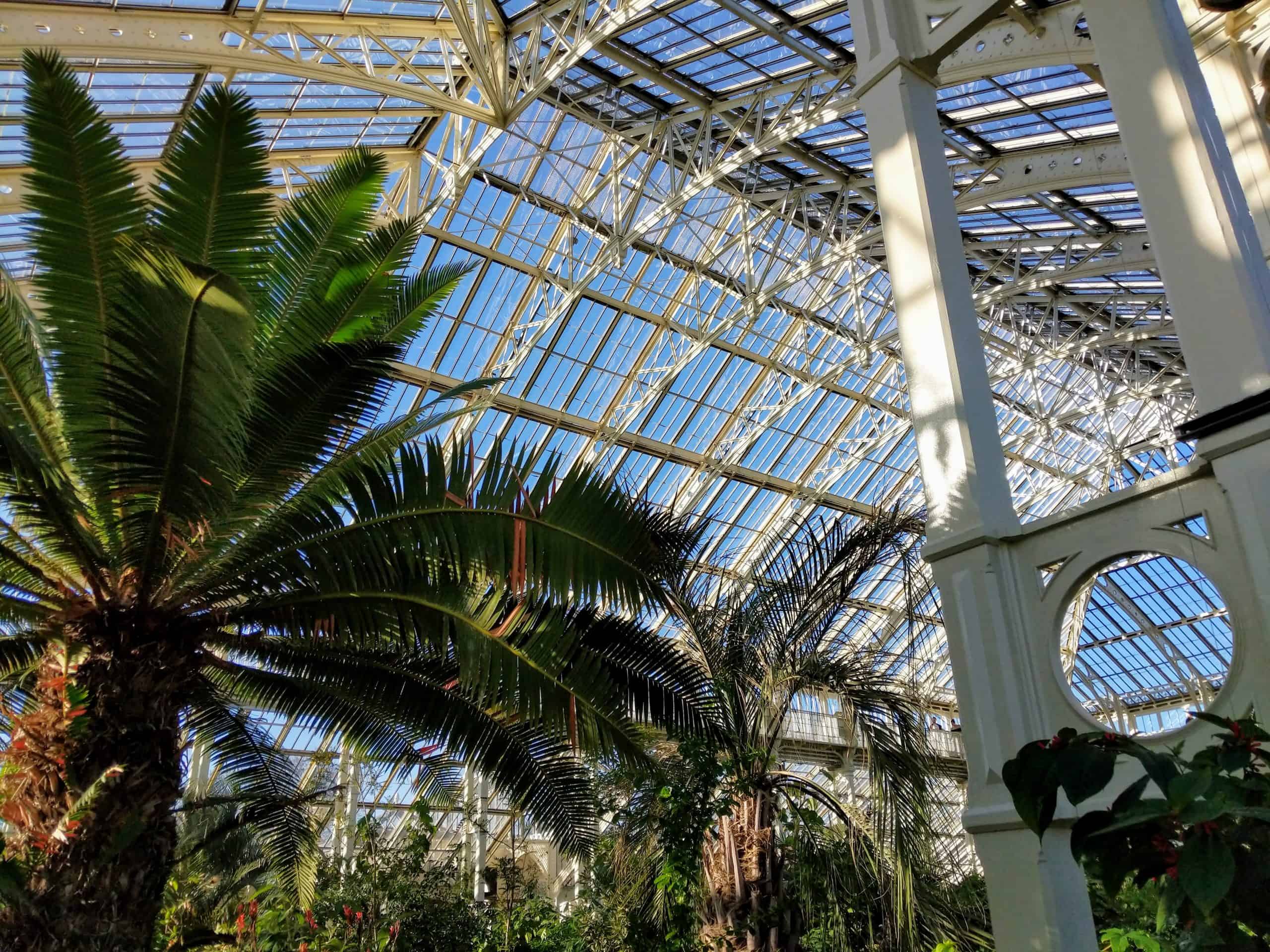
- Palm House: A towering Victorian glasshouse filled with humid, tropical plants. Feels like stepping into a rainforest. Lots of my pictures are of this area, it photographs well!
- Temperate House: The biggest Victorian glasshouse in the world. Light, airy, and full of rare plants. Also, architecturally stunning.
- Princess of Wales Conservatory: Ten climate zones under one roof. Cacti, orchids, carnivorous plants — travelling between ecosystems in minutes.
- Treetop Walkway: A raised walkway among the treetops. Airy and peaceful, with lovely views on a sunny day. (A bit wobbly if you’re scared of heights!)
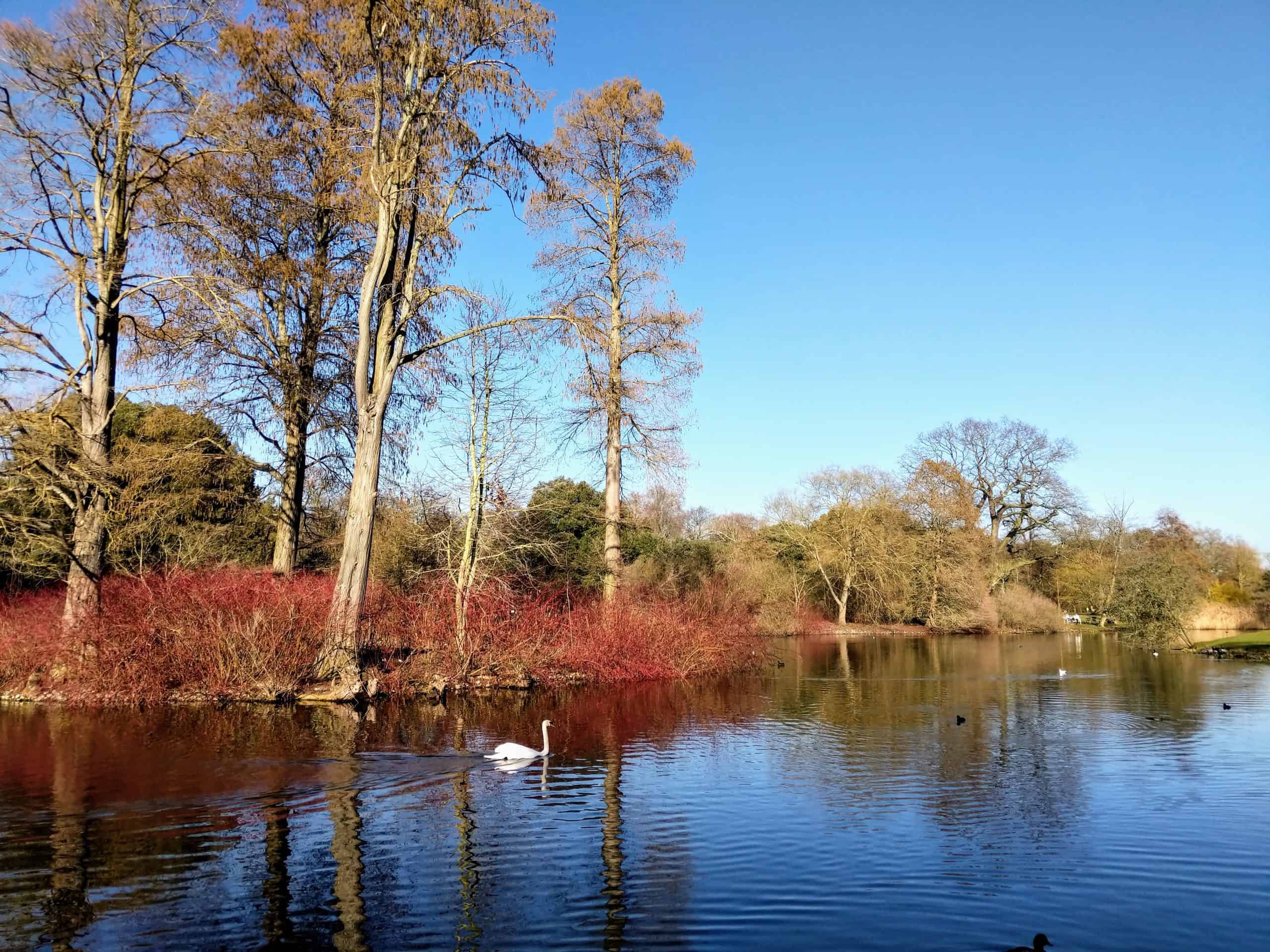
- The Lake & Syon Vista: Wide lawns, long scenic sightlines, and plenty of space to just relax. Perfect picnic spot.
- Rose Garden & Summer Borders: Best in late spring and summer when everything is in full bloom. Colourful and romantic.
Round Up: Kew Gardens Review!
Whether you’re wandering through the glasshouses, strolling under wide open skies, or just sitting quietly on the grass, Kew Gardens invites you to slow down in a city that rarely allows it. It’s the kind of day out that works no matter your mood – perfect solo, with a friend, or even on a date. And whether you go in spring, summer (my favourite time), autumn or during the magical Christmas at Kew light trail, it always feels a little bit transformative.
Kew Gardens is absolutely worth the trip for locals and tourists alike. It truly is spectacular and one of the best day trips or days out you can do in London. I come back year after year, and I don’t think I’ll ever get tired of it.
Book Your Kew Gardens Entrance Tickets
If you’re imagining yourself wandering through the glasshouses already, you can book your Kew Gardens tickets here and start planning your visit.